
PRACTICAL DIGITAL GUIDE
AI Virtual Assistant Business
$19.99 $39.99
A clear, beginner-friendly guide designed to help you understand the process and take practical action.
- Instant digital access after purchase
- Step-by-step, beginner-friendly guidance
- Read on your phone, tablet, or computer
- Secure checkout
Look inside the guide
Real pages from the guide. Tap a page to enlarge it and explore before you buy.


Explore the contents
Read sample as text
Page 5
Never promise that AI makes errors impossible or income automatic. You remain responsible for consent, privacy, accuracy, tone, deadlines and the final result.
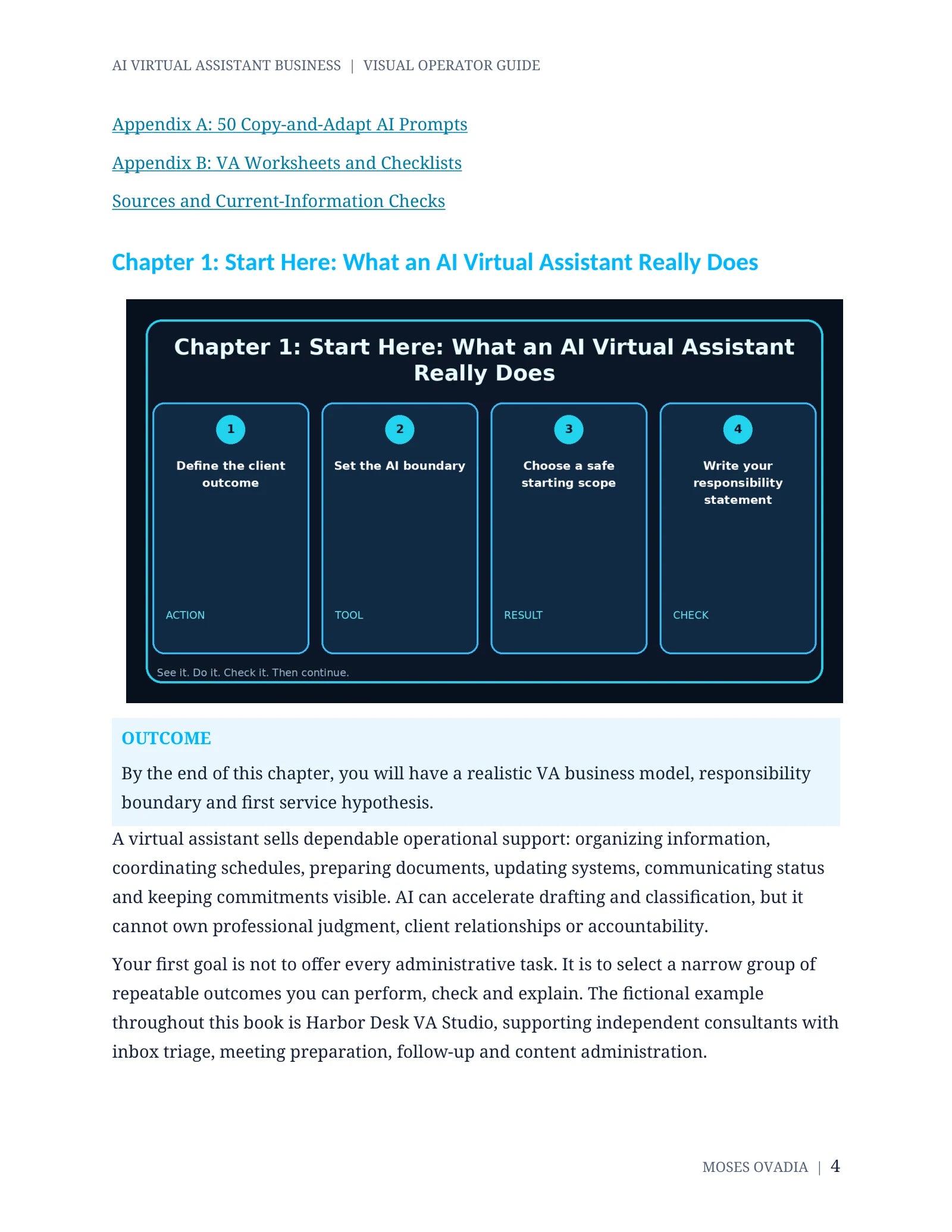
Figure 1. Visual operating map for start here: what an ai virtual assistant really does.
Do It Now: The Exact Workflow
Step 1: Define the client outcome
What this step means and why it matters: Write the before-and-after operational change the client can observe. Completing it creates part of a realistic VA business model, responsibility boundary and first service hypothesis. If it remains vague, the client cannot approve the work and you cannot check whether it is finished.
Tools to use: Use Docs, ChatGPT and a business charter. Work inside the numbered client or business folder so the request, source, decision, draft, approval and final version remain traceable.
Exactly how to do it: Open a new document named “C01-S01-Define-the-client-outcome-v1.” Write the real situation, responsible person, input, constraint, deadline and required output before using AI. Complete one decision at a time. Compare the result with the client agreement and rewrite generic language in words you understand and can defend.
COPY-AND-ADAPT AI INSTRUCTION
Page 6
Act as a careful virtual-assistant operations coach. Help me complete this task: Define the client outcome. Required action: Write the before-and-after operational change the client can observe. First ask no more than five short questions about the client type, country, approved scope, verified inputs, confidentiality, authority, deadline and tools that materially change the work. Then produce a complete working asset, not a generic outline. Separate facts, assumptions and recommendations; flag missing approval; include an implementation procedure, a human quality-control checklist and one measurable completion test. Do not invent client facts, permissions, sources, credentials, prices, results or legal conclusions.
Worked example: For Harbor Desk VA Studio, this step supports an independent consultant whose approved needs include inbox triage, meeting preparation and follow-up. The example records the actual input, names the responsible human and does not claim guaranteed revenue or error-free automation.
What you must have at the end: Save a dated editable asset and required export for a realistic VA business model, responsibility boundary and first service hypothesis. Record the source, owner, approval status, next action and any access that must later be removed.
How to know it is correct: A second person can identify what was requested, what was done, what evidence was used, what remains uncertain and who acts next. It matches scope, protects data and can be reversed or escalated when appropriate.
Step 2: Set the AI boundary
What this step means and why it matters: List what AI may assist, what needs review and what must stay human. Completing it creates part of a realistic VA business model, responsibility boundary and first service hypothesis. If it remains vague, the client cannot approve the work and you cannot check whether it is finished.
Tools to use: Use Docs, ChatGPT and a business charter. Work inside the numbered client or business folder so the request, source, decision, draft, approval and final version remain traceable.
Exactly how to do it: Open a new document named “C01-S02-Set-the-AI-boundary-v1.” Write the real situation, responsible person, input, constraint, deadline and required output before using AI. Complete one decision at a time. Compare the result with the client agreement and rewrite generic language in words you understand and can defend.
Secure checkout with Digistore24. Refund terms are shown at checkout.
AI Virtual Assistant Business
Build a flexible online service business by helping entrepreneurs and companies complete important tasks with the support of artificial intelligence.
AI Virtual Assistant Business is a practical, beginner-friendly guide that walks you through the complete process of becoming an AI-powered virtual assistant. You’ll learn how to choose profitable services, develop your skills, attract clients, manage projects, and use AI tools to work faster while delivering professional results.
Inside, you’ll discover how to:
• Understand what virtual assistants do and why businesses hire them
• Choose profitable services based on your skills and interests
• Use AI for research, writing, scheduling, organization, and customer support
• Select a specific niche and create an attractive service offer
• Build a professional portfolio without previous client experience
• Set your prices and create clear service packages
• Find clients through freelance platforms, social media, networking, and direct outreach
• Write professional proposals, emails, and client messages
• Manage projects, deadlines, revisions, and customer expectations
• Protect confidential client information and use AI responsibly
• Turn one-time projects into recurring monthly work
• Build an efficient virtual-assistant business that can grow over time
Whether you want to earn additional income, work remotely, or build a full-time online business, this guide provides a clear step-by-step plan for launching and growing your virtual-assistant career with AI.
Format: PDF Digital Guide
Language: English
Delivery: Instant digital download
This is a digital product. No physical item will be shipped.